
VENDOR PRICE COMPARISON FOR RESTAURANTS
One Platform.
Multiple Vendors.
Always the Best Price.
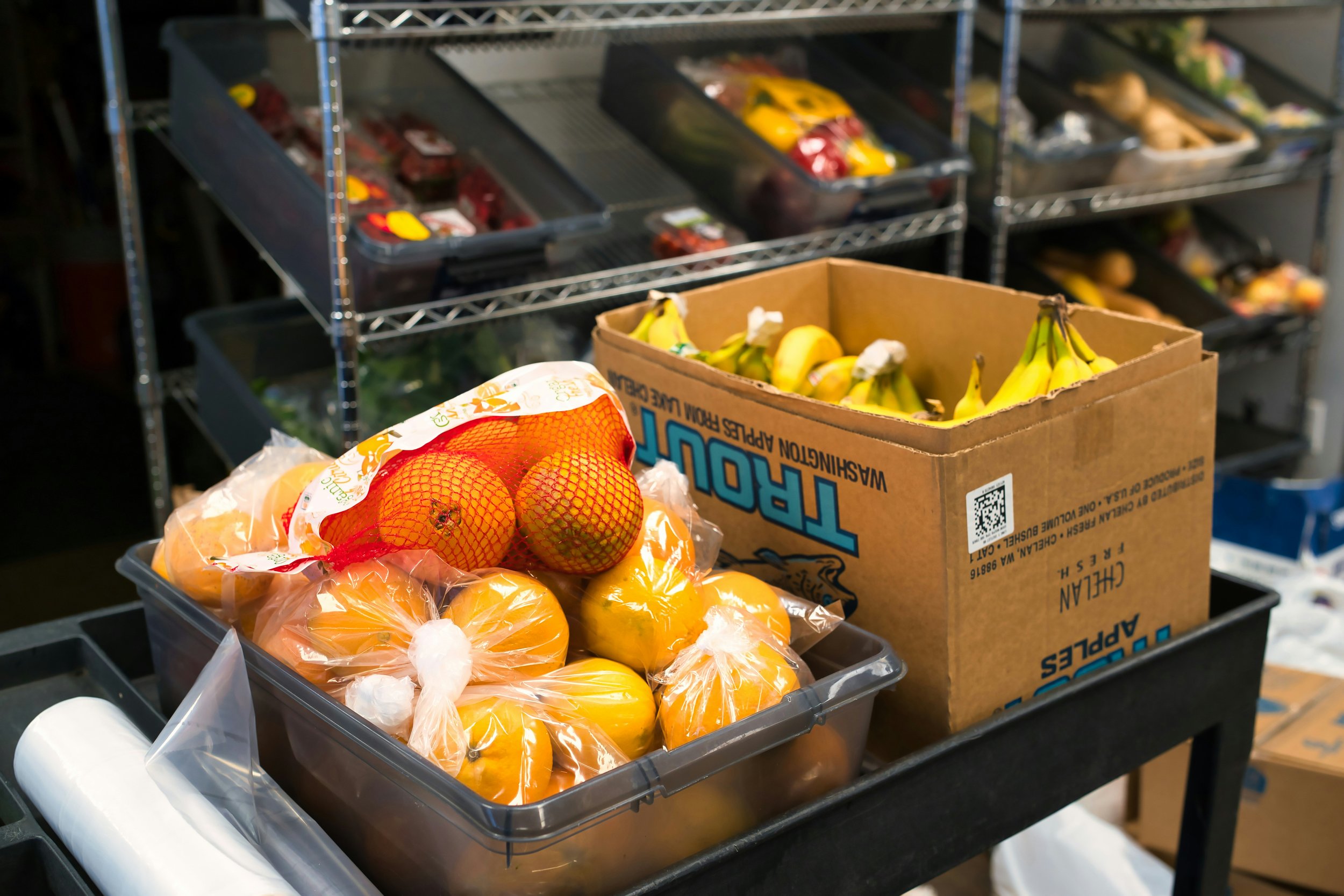
VendurOne is vendor price comparison software built for restaurants. Every week, it checks pricing on food and disposables across every vendor you use, finds the better deal, and places the order. No spreadsheets, no phone calls, just the same order at a better price.
DID YOU KNOW
60–75%

of restaurants order from a single vendor, usually out of habit rather than price. That habit gets expensive fast.
You're Probably Overpaying on Food and Disposables
25–40%
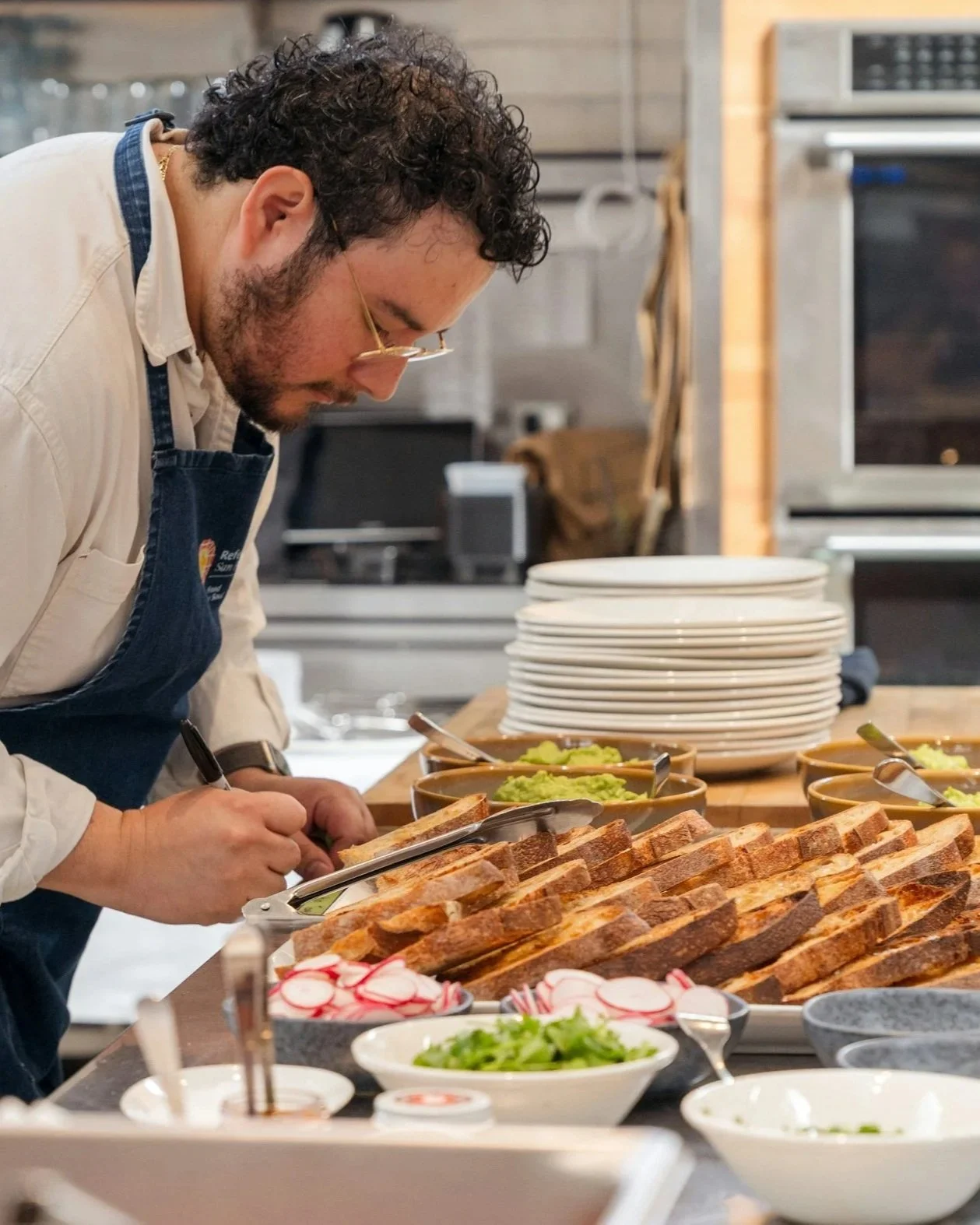
Food and disposables make up 25 to 40% of a restaurant's operating costs. Most of that spend runs through one or two vendors, usually the ones who called first or the ones who are easiest to deal with, not the ones with the best pricing.
Weekly
Prices move every week. Your tomatoes might come in a little cheaper. Your to-go containers might jump 20% at the same time, and nobody catches it until the invoice lands.
Hours
Checking vendor pricing by hand takes real time, and it's usually the chef who ends up doing it, which means your highest-paid person in the building is comparing invoices instead of running the kitchen.
VendurOne checks the pricing for you, every week, and handles the ordering too.
HOW IT WORKS
How VendurOne Works
We check every vendor's pricing each week, item by item, so nothing slips by unnoticed.

01
We compare apples to apples: heirloom tomatoes against heirloom tomatoes, not a cheaper substitute swapped in to win on price.

02
We place the order with whichever vendor has the best price on each item, automatically.

03
9–17%
SAVINGS ON FOOD & DISPOSABLES IN TESTING
See what you're really paying, and what you could be paying.
Real Savings,
Verified Every Week
Every week, VendurOne shows you what you saved against your old baseline pricing. Not a percentage estimate: an actual dollar figure you can bring to your GM meeting or your ownership group.
In testing, restaurants saved between 9 and 17% on food and disposables by comparing vendors with VendurOne instead of sticking with one.
OUR STORY
Built by an Operator
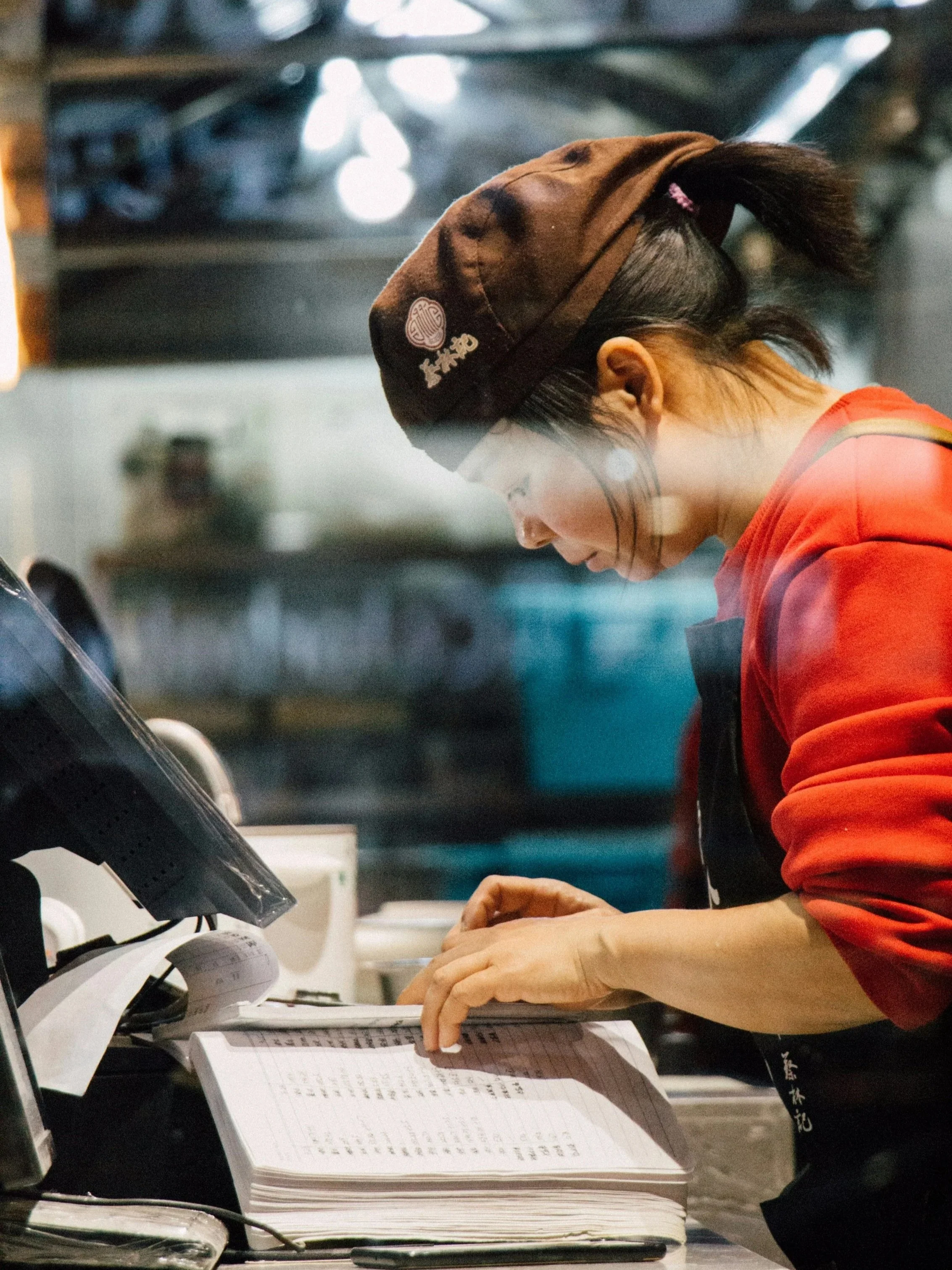
VendurOne wasn't dreamed up in a boardroom. It came out of years spent chasing price sheets over the phone and email, watching costs creep up while vendors kept their pricing quiet. We built the tool we wish we'd had back then.
BUILT FOR YOU
Who VendurOne Is Built For
Independent restaurants
Where the owner manages vendor relationships directly and feels every price increase in real time.

Multi-unit & regional groups
5–15 locations that need standardized pricing and reporting across every location without adding headcount.

Management companies
Groups that need to prove scalable cost control to the ownership groups they serve.

VendurOne also works well for cafes, bakeries, food truck commissaries, ghost kitchens, and catering companies, anywhere recurring vendor purchasing eats into thin margins.
FAQ
Frequently Asked Questions
-
It connects to the vendors you already order from, pulls current pricing on a set schedule, usually weekly, and compares the price of each item across vendors. VendurOne then either flags the best option or places the order automatically, depending on how you want it set up.
-
It depends on how many vendors you're already comparing and how much your current ordering relies on habit versus price. In VendurOne's testing, restaurants saved 9 to 17% on food and disposables once pricing was actually being compared every week instead of assumed.
-
Food and disposables covers everything from proteins and produce to to-go containers, napkins, gloves, and other single-use items a restaurant orders regularly. Together, they typically run 25 to 40% of a restaurant's total operating costs.
-
No. It works for single-location independents too. Multi-unit groups get added reporting and standardization across locations, but a lot of the day-to-day value, catching price increases and cutting manual work, applies just as much to a one-location restaurant.
Be one of the first 10 restaurant groups to lock in founding pricing.
Founding partners get a locked-in rate and priority onboarding before general availability.